NXT Mobility
Manufacturing excellence

Built like an EV manufacturer, explained like a trusted partner.

NXT's manufacturing story is built around assembly discipline, quality testing, battery and electronics safety, vendor confidence, R&D learning and dealer-ready service support.

NXT EV manufacturing capability

Production signal

Assembly, battery confidence, QC and dealer handoff.

4Assembly stages

Parts, platform, electrical, service handoff

6QC lenses

Safety, range, wiring, battery, load, feedback

3Vehicle missions

Commute, passenger route, cargo delivery

B2BTrust layer

Dealer, fleet and finance conversations

Assembly process

Manufacturing must feel visible, structured and accountable.

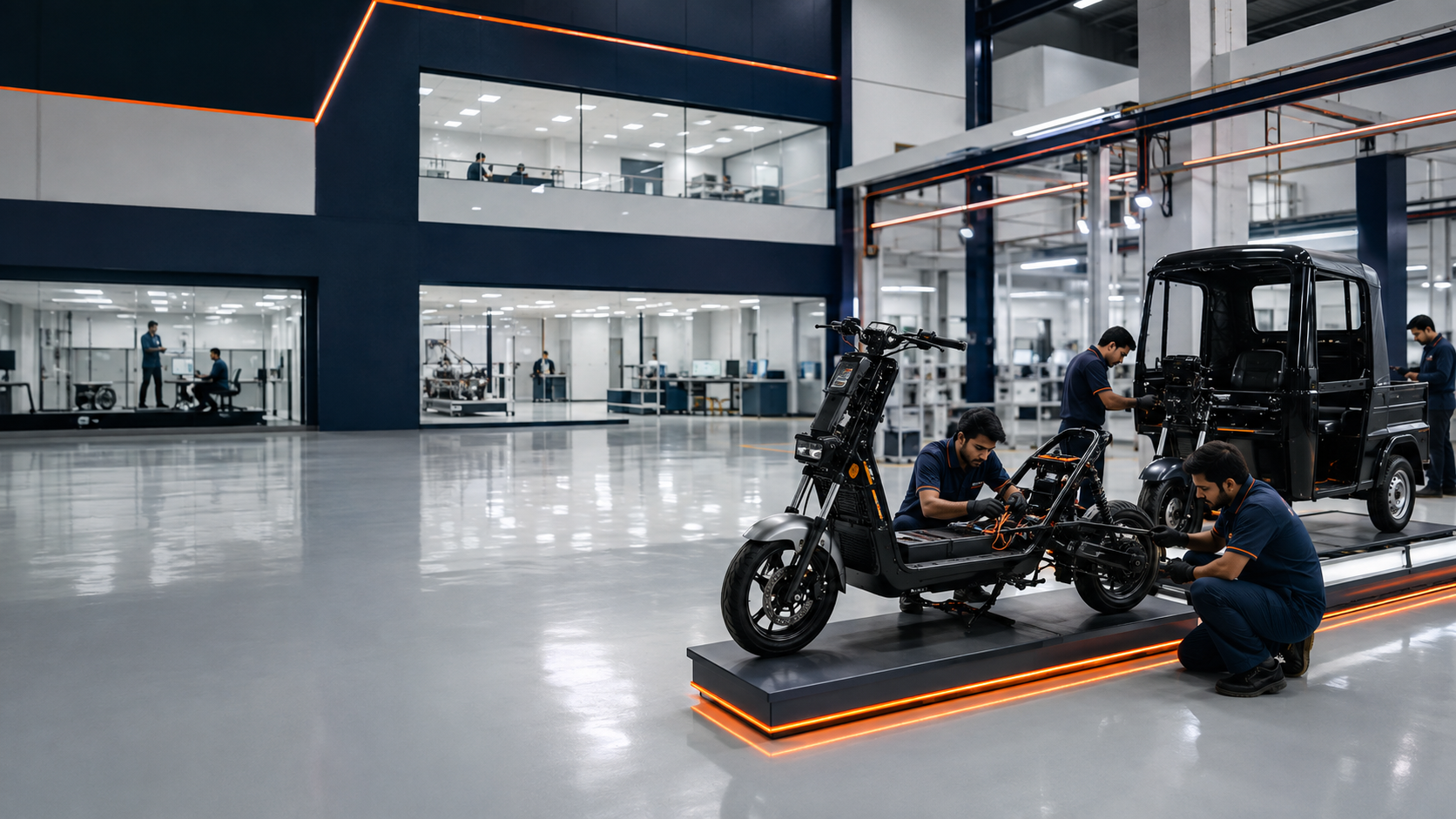
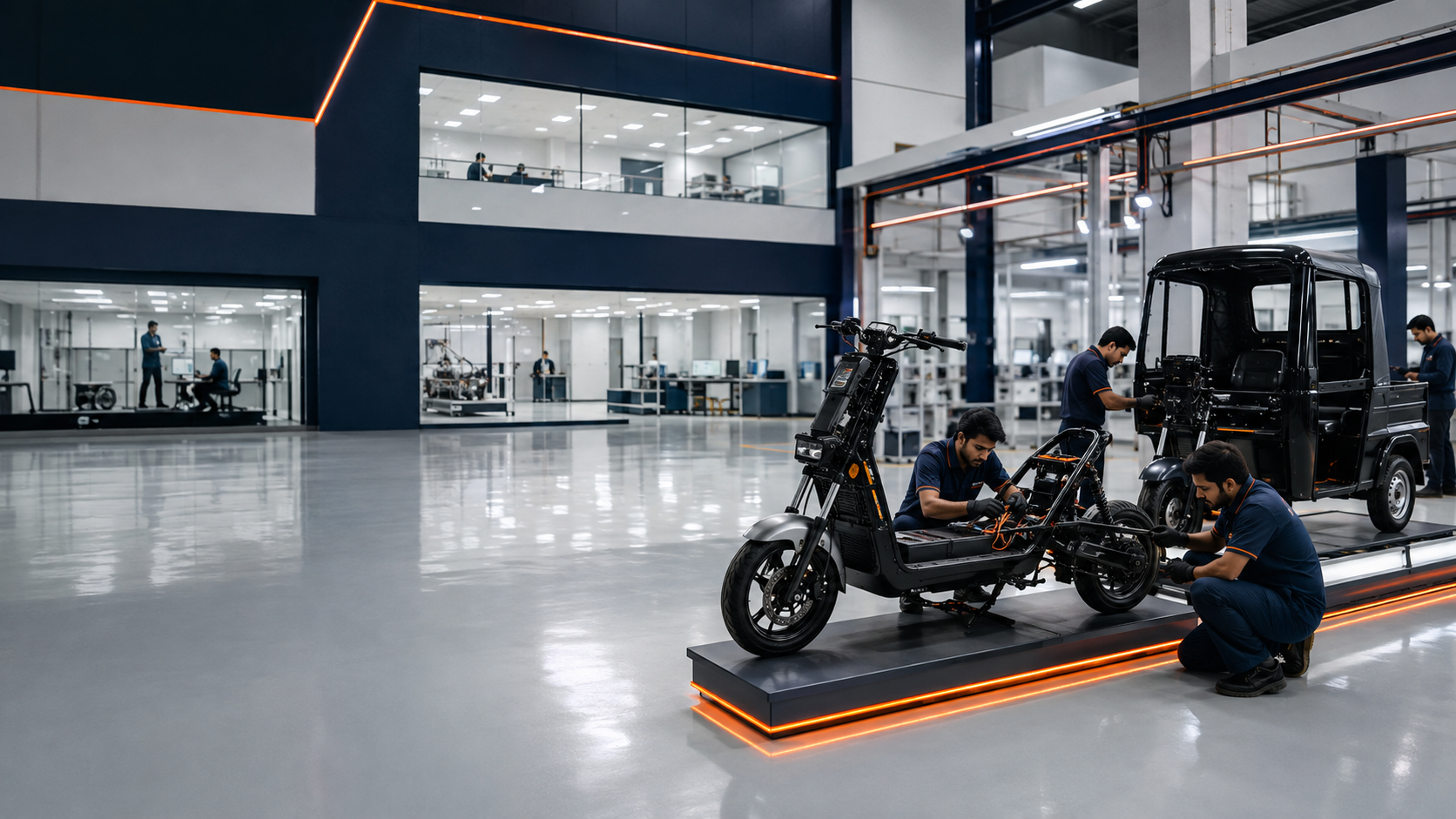
A world-class EV site explains how a vehicle becomes trustworthy: from incoming components to electrical integration and dealer service handoff.

01

Incoming part review

Core components are framed around vendor quality, traceability and fitment discipline before assembly begins.

02

Platform assembly

Scooter and three-wheeler platforms are presented as structured systems: frame, drivetrain, battery bay and harness routing.

03

Electrical integration

Battery, controller, charger and wiring confidence are explained as safety-critical ownership systems.

04

Dealer service handoff

Service-friendly architecture helps dealer teams explain maintenance, genuine parts and long-term support.

Quality testing

Testing language that builds dealer and customer confidence.

Brake and road safety checks

Braking, lighting and suspension are positioned as everyday confidence systems for Indian roads.

Range and drive validation

Specs are communicated by duty cycle so buyers know how each model fits commute, route or load.

Controller and harness inspection

Electrical routing, connector care and diagnostics become part of the trust story.

Battery and charger discipline

Matched charging guidance and battery care reduce anxiety for first-time EV buyers.

Commercial load readiness

Three-wheeler and loader pages focus on passenger, route and cargo expectations.

Continuous product learning

Feedback from dealers and owners should inform product pages, service content and model refinement.

Battery and electronics safety

The electrical system is the trust system.

Battery bay packaging, controller behavior, wiring protection, charger matching and maintenance discipline should be explained with clarity because they shape buyer confidence.

R&D and product engineering

Turn field learning into product improvement.

Dealer feedback, route behavior, service questions and commercial duty cycles should inform future product education, model refinement and support content.

Supply chain quality

Vendor quality is part of the brand promise.

The page frames incoming parts, fitment discipline and component consistency as core to reliable ownership.

Sustainable production

Cleaner vehicles need cleaner operating logic.

Sustainability is presented through durable products, lower operating cost, serviceable parts and long-term electric mobility adoption.

Trust the build. Then choose the vehicle.

Manufacturing confidence should lead directly to dealer enquiries, test rides and purchase conversations.